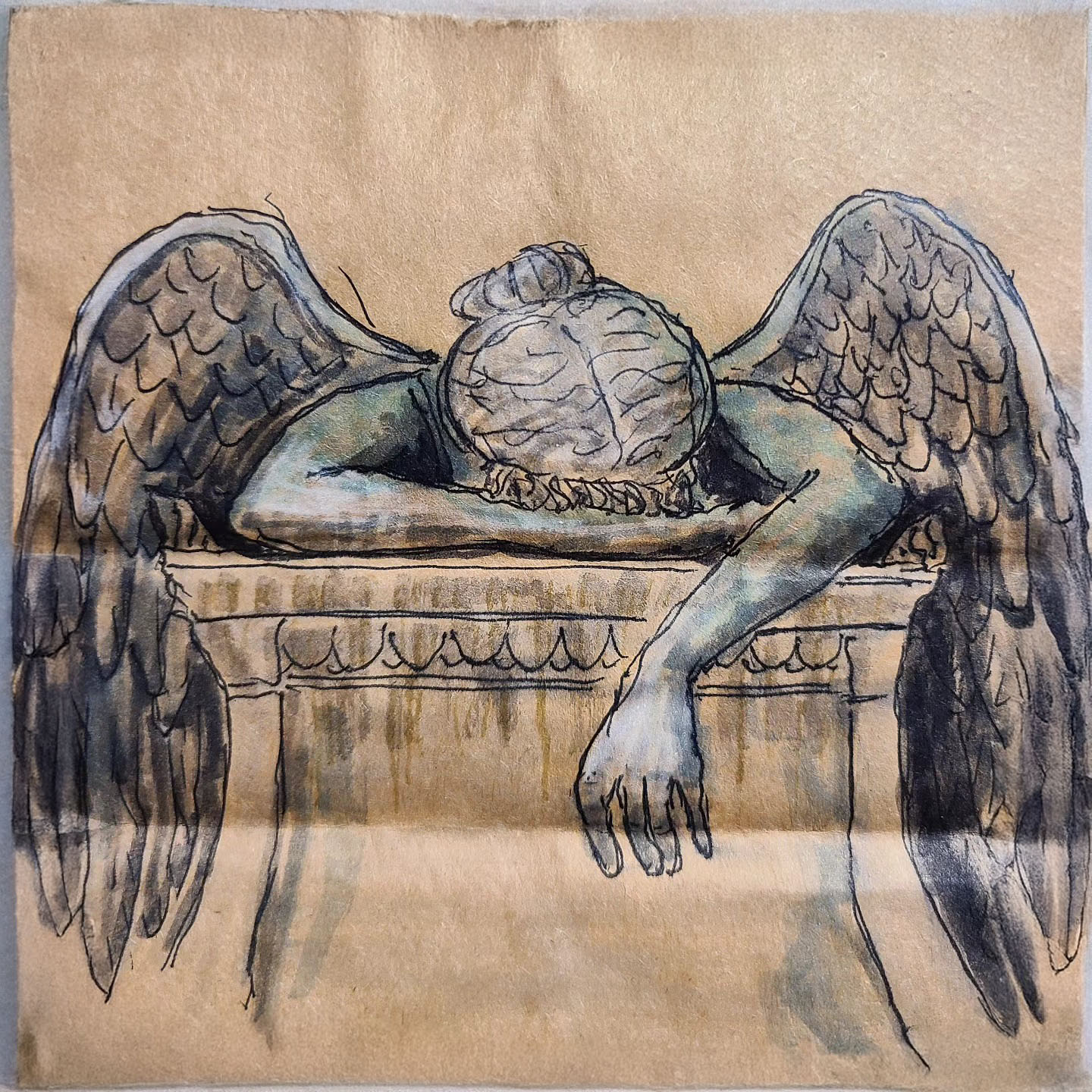
Masking is a tool that neurodivergent individuals use to appear normal or to fit into normal situations.
Masking is also a skill that everyone uses when trying to “fit in” within specific defined parameters for what the “ideal” is in any given area.
We trade in our authenticity for the behavioral guidelines and expectations required to succeed in our jobs, at school, our communities, and even at home.
Part of me loves expectations, because it lets me know what mask to wear.
It’s a lot easier managing other people’s expectations than taking the time to figure out what my own are.
It’s also exhausting.
At work, I wore a “professional” mask. I presented a carefully crafted image of having my shit together and adopting a positive can-do attitude, even as the dumpster fire gifs were freely flying in our “what happens in Vegas stays in Vegas” group chat. My personality still shone through, mostly because my flavor of ADHD struggles with boring tasks, and I need to “spice things up” a bit to stay engaged. My Teams backgrounds were not “corporate” or “professional”, but they were always conversation pieces and were great at breaking the ice before meetings. I don’t think professionalism is necessarily a bad thing, but I do question whether it’s the benefit we think it is, when it prevents us from being honest about workload or expressing negative thoughts or emotions.
I wasn’t trying to hide who I was, but my personality does NOT scream Corporate America. My natural personality gives off “mischievous gleam in the eye” vibes, coupled with big “frolicking through a field of wildflowers” energy. Neither are well suited for “professionalism”.
When I was in school, I wore the masks of “overachiever” and “organized”. I’ve also worn “patience”, “interested”, and “listening”. I’ve never been able to wear the masks “disinterested” or “uncaring”. I am physically unable to pretend I’m not interested or don’t care about something. I think it’s the gleam in my eye that gives me away.
I’ve even masked at home. I’ve been “sweet” when I needed to be mad. I have a lot of good qualities, but “sweet” is not one of them. I’ve pretended to not be bothered by something, when I was in fact, very bothered. The older I get the less energy I have to pretend I’m not bothered. Sure, there are days where I can successfully ignore the botheration, but more often than not my ADHD sensory overload will kick in and I will politely request the source of the botheration to cease and desist. Otherwise, I will bother to remove myself from the bother, if the bother is not bothering anyone else.
Those are just a few of the masks I know about. I’m still uncovering all the areas where I’ve sacrificed myself on the altar of fitting in.
Wouldn’t it be amazing if we lived in a world that no longer required us to fit into its predetermined molds and instead, found where in the world is compatible with our unique personalities and skills?
For now, I’m putting down my masks.
I know I can’t take them all off at once, but as I become aware of them, I’m laying them down.
3 responses to “Masking In A World Of Behavioral Guidelines And Expectations”
This! So much: “Part of me loves expectations, because it lets me know what mask to wear.
It’s a lot easier managing other people’s expectations than taking the time to figure out what my own are.”
How much of your masking is a coping mechanism for ADHD and how much of it is due societal expectations for women? The older I get, the more aware I am of my own unconscious attempts to meet those societal expectations.
I am lucky that I observed this web site, just the right info that I was searching for! .